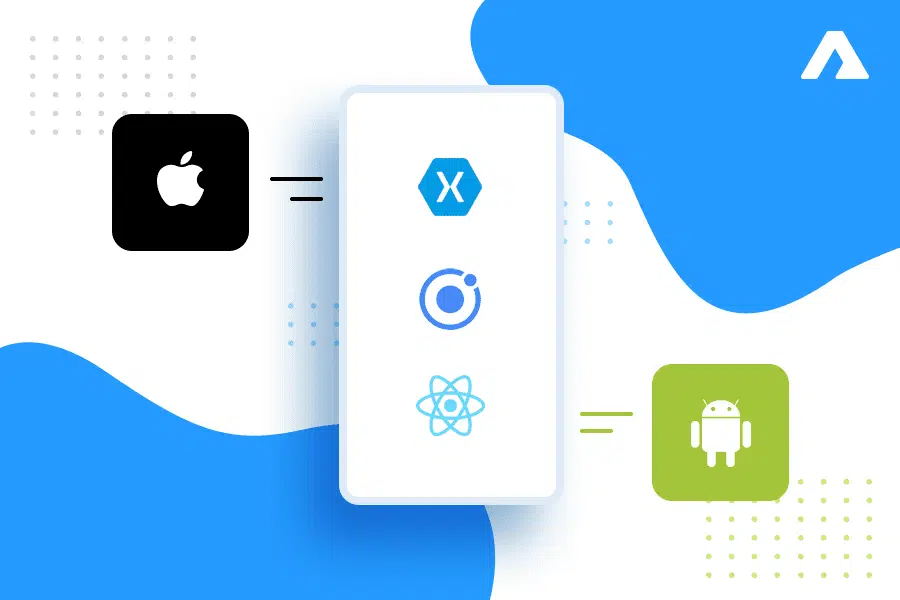
Application development at first was native because there were separate apps that were developed for both Android and iOS separately.
Hybrid Applications bridged the gap of requiring two different apps for different operating systems. A single app can be used for both platforms.
However, Hybrid Mobile App Development was not that big a deal back then but now they can compete with the original (native) applications.
Hence before you hire hybrid app developers, factor in all the necessities such as maintenance cost, budget, user experience, development time, and especially the skills of your developer.
We can now suggest the cross apps option for developing mobile applications since the technology of cross apps has improved so much.
 For startups, hybrid apps are a great choice if you are unsure about user adoption.
Native apps provide better user experience but require more time and cost.
For startups, hybrid apps are a great choice if you are unsure about user adoption.
Native apps provide better user experience but require more time and cost.
What is the Hybrid App?
Hybrid applications are wrapped around web and native apps or essentially these are web apps enclosed by original apps. The working is just like that of a native application where these use the native browser and can gain access to smartphone features such as microphone, calendar, camera, and push notifications. These applications also support cross-platform functionality and can run on Android, iOS, and Windows. A hybrid mobile app is a combination of cross-platform and web applications.The basic structure of a hybrid app
Commonly used technologies like JavaScript, HTML5, and CSS3 are used to build these applications. Native apps are built with technologies like Java, Objective-C, Swift, and Xcode. Many companies prefer hybrid app development due to efficiency and flexibility.Why Opt for Hybrid Apps over Native Apps?
For startups, hybrid apps are a great choice if you are unsure about user adoption.
Native apps provide better user experience but require more time and cost.
- Single Codebase: One codebase works across multiple platforms.
- Cost Effective: Saves development time and cost.
- Easy to Scale: Expand to multiple platforms easily.
- Hardware Access: Access device features like camera and notifications.
- Faster Delivery: Smaller teams can build apps quickly.
Technologies used for hybrid mobile app development
- Xamarin: Microsoft-supported framework with shared codebase.
- Ionic: Uses HTML, CSS, JavaScript, and Angular.
- React Native: Popular framework by Facebook for cross-platform apps.