React Naïve caters mobile applications for iOS and Android and is an open-source JavaScript framework.
ReactJS developers can write code for mobile applications because of the presence of a huge JavaScript library.
Why ReactJS Development?
This framework was built by Facebook in early 2015. It was introduced to create native powered by React.
React native hasn’t been used just by Facebook, but also many other Tech Giants such as Walmart, Wix, Microsoft, and Shopify.
Following are the factors that will inspire you to use this framework for your web app or to integrate a new functionality in your current app.
1. Declarative User Interface
The ideas of component-oriented architecture and declarative UI have changed the front-end development.
Huge applications are being built by the frontend developers that have reduced bugs.
The motive by which React works is “Learn once, use anywhere”. This approach has made it a necessity for its growth. Isn’t it great to leverage all these elements while creating a mobile solution?
There are fewer bugs in a more controlled UI. If developers are familiar with React, they can aid the development of apps.
If considered carefully, developers can reuse many codes in all over the React renderers that includes web, mobile, VR, and Unity.
2. Cross-platform Compatible
Moving fast in today’s world is not just an option for the tech companies, it is essential. Due to enormous competition, companies are inclined to grow faster with improved stability.

It is not easy for a single company to manage three different operating systems – iOS, Android, and web front for an individual product. It is not only costly based on its price but can also slow the product’s growth.
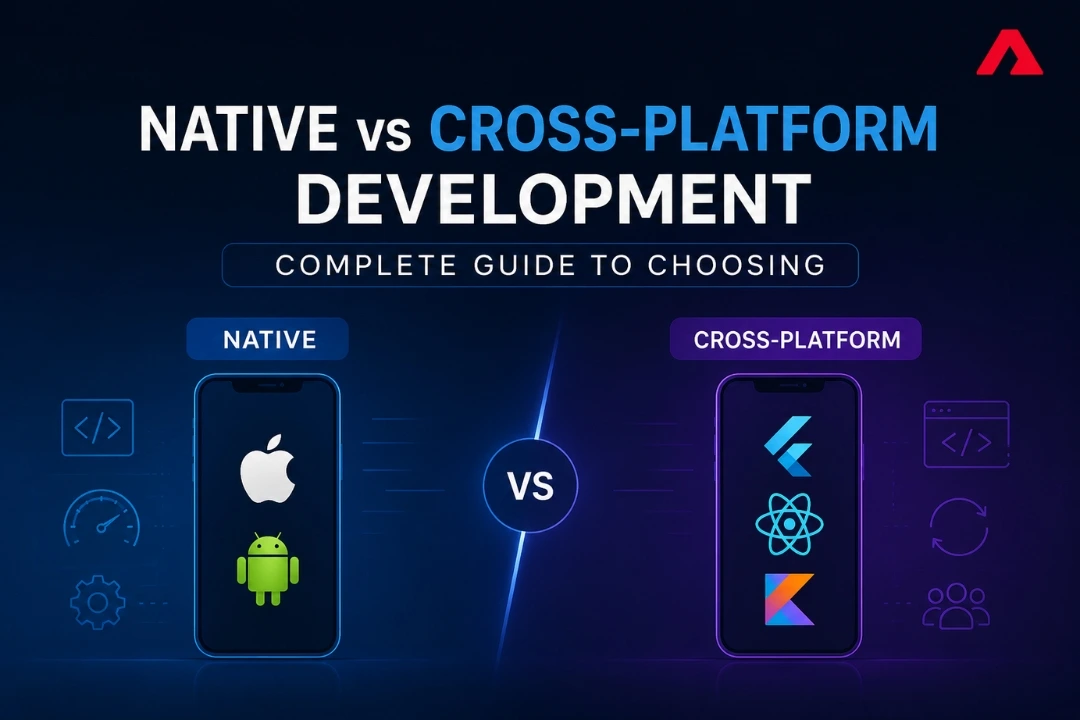
This framework constitutes up to 95% of its code across Android and iOS. In the growing agile approach, this can be a huge benefit.
You can also share a codebase with the web of this framework. This will be discussed in the next section.
3. Highly Reliable
All the first releases of this framework, which is open-sourced, are tested on Meta's production apps.
This is where other companies get their motivation to make their app most updated and equipped with the latest version.
To undergo an upgrade of any framework or tool isn’t easy for huge applications but when it is already tested at Facebook, other apps can pop right in without any hold or hesitation.
4. Adopted by Tech Tycoons
This framework has been used by many technology companies, other than being used extensively at Facebook.
This comprises Microsoft that are using RN as brownfield and greenfield both the types of ReactJS development.
Moreover, Shopify and Walmart have also used RN for their mobile App. Many apps are using RN in production these days.
5. Fast Progress
Many features have shifted with RN. A genuine influence has been recorded by these features on the debugging, performance, and project management.
React Native's New Architecture Delivers Better Performance
React Native has evolved significantly since its early releases. One of the most important advancements is the New Architecture, which introduces Fabric, TurboModules, and the JavaScript Interface (JSI) to improve communication between JavaScript and native components.
These enhancements reduce rendering delays, improve application responsiveness, and make animations smoother, resulting in a better user experience on both Android and iOS devices.
The new architecture also simplifies native module integration and helps developers build scalable applications that are easier to maintain as business requirements grow.
For businesses planning long-term mobile applications, React Native's modern architecture delivers a strong balance between development speed and native-like performance.
6. Hermes has an Improved JavaScript Runtime
Hermes is a JavaScript engine meant for RN, introduced by Facebook in mid-2019. The team that worked on Hermes worked a year long.
It has not only helped to take the benefit of RN apps, but there are many other benefits yet to come.
RN has faced immense criticism based on its performance on the lower-version of Android tools. ReactJS development depends on JavaScript as it is a JavaScript-based framework.
WebKit JSC which was used by RN and after analysis, it was considered to be a primary component in the startup process.
Hermes makes the RN apps run faster and smoother because rather than compiling JavaScript on startup it precompiled JavaScript on the startup into byte code. This also reduces runtime and minimizes the APK volume.
7. Enhanced Debugging

Even though this framework is popular amongst the developer community offering great experience, debugging the software has been painstakingly difficult for them.
The ability to fast change the load code is a benefit to use RN over other native app creation.
Often it is known for its Hot Module exchange and fast reload but often it failed to do so and annoyed many developers. But fast refresh features have removed this drawback.
One of the best updates to RN is Flipper. It comes after the Fast Refresh and is going to change the entire debugging system for RN apps.
It also features DevTools v4 which means developers can include its amazing features with this framework also.
Expo Makes React Native Development Faster
The React Native ecosystem has grown substantially, and Expo has become one of its most valuable development platforms. It simplifies project setup, testing, deployment, and over-the-air updates, allowing developers to focus more on building features than configuring environments.
Expo also offers a wide range of ready-to-use APIs for notifications, camera access, location services, authentication, and device capabilities, reducing development time for common mobile application features.
Businesses benefit from faster development cycles, easier maintenance, and quicker release schedules, making Expo an excellent choice for many React Native projects.
8. Lighter and Easy to Manage
There was a project taken up by the core team in this framework that pledged to cut down all the User Interface elements and inbuilt modules into a distinct repository. Most of these pools fall under the react community.
It is lightweight and easy to manage if it removes all these components and modules from itself.
9. Caring and helping the Community
You need to always check the responsiveness of an application’s performance to scrolling, gestures, and animations.
Several good modules have been coming in this genre thanks to the React Native’s amazing community.
It includes react-native reanimated, screens, Recycler ListView, and react native gesture handler to name a few.
To make the navigation in apps smoother and improve the developer experience, navigation and native navigation are really working hard.
10. Single Solution for Several Platforms
App development on React Native helps the developers to use the once written code anywhere. This code can also run on many different platforms such as Android and iOS.
For the implementation and execution of ReactJS, this framework utilizes Facebook’s UI library of Facebook to create simple codes.
Some of the things that you would need to create a great RN app are APIs, hybrid app design and development that specializes in native UI elements.
11. Cost and Resource Efficient
This framework is popular for its scalability and flexibility. This framework provides you with a smooth experience and speed.
While development it minimized the cost and recouped the time by almost 70% using this framework. Still it helps you create an app without compromising quality.
React Native is an Excellent Choice for MVP Development
Many startups choose React Native because it enables them to launch a Minimum Viable Product (MVP) quickly without investing in separate Android and iOS development teams.
Using a shared codebase reduces initial development costs while allowing businesses to validate ideas, gather user feedback, and release updates more efficiently.
As the application grows, React Native supports integration with native modules and third-party services, making it suitable not only for MVPs but also for scaling successful products.
For companies looking to reduce time-to-market while maintaining quality, React Native offers a practical development approach.
12. Can Convert a Web Page into Mobile App
This framework reuses code on two platforms by just updating it once. This framework is intuitive. The repository of codes that are used by the app can be easily understood by the developer.
The framework also makes identifying bugs between codebases easier. When transforming web pages into an app, all these factors help the developer to save time.
React Native Powers Modern AI-Enabled Mobile Applications
Today's mobile applications increasingly incorporate artificial intelligence to deliver more personalized and engaging user experiences. From AI-powered chatbots and voice assistants to recommendation systems and image recognition, React Native provides the flexibility to integrate these capabilities through APIs and SDKs.
Developers can connect React Native applications with cloud-based AI services to implement features such as natural language processing, predictive analytics, translation, and intelligent search without maintaining separate Android and iOS codebases.
As businesses continue investing in AI-driven digital products, React Native remains a strong framework for building innovative mobile applications that can adapt to evolving user expectations.
Synopsis
Hopefully, these top 12 reasons have offered you a clear picture of what RN is and why it is so much used and loved by developers for creating the mobile apps.
Hence, if you want to customize your app or want to create a new one, hire ReactJS Development Company. It will give you user-friendly and seamless user-experience.
Is React Native still worth learning in 2026?
Yes. React Native remains one of the most popular cross-platform mobile development frameworks due to its mature ecosystem, active community, and strong enterprise adoption.
Is React Native better than Flutter?
Both frameworks are excellent. React Native is ideal for organizations with JavaScript or React expertise, while Flutter excels at highly customized UI experiences.
Can React Native build enterprise apps?
Yes. Many enterprise organizations use React Native for scalable applications because it offers rapid development, reusable code, and good long-term maintainability.
Is React Native good for startups?
Absolutely. React Native enables startups to launch Android and iOS apps from a shared codebase, helping reduce development costs and accelerate time to market.