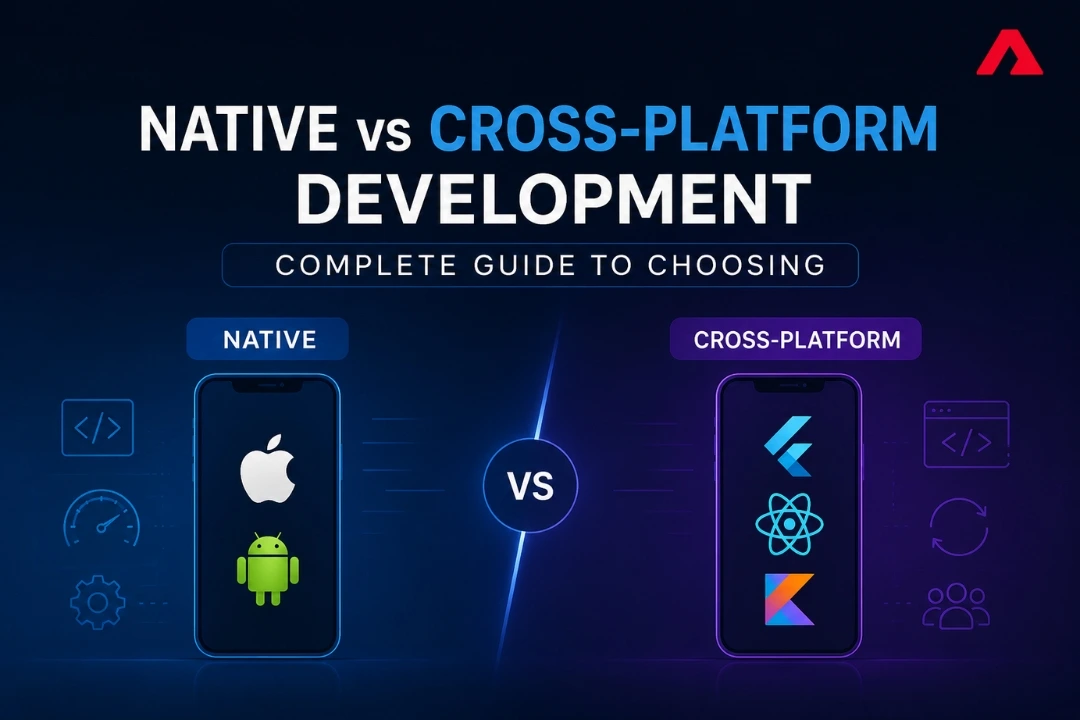
Application development at first was native because there were separate apps that were developed for both Android and iOS separately.
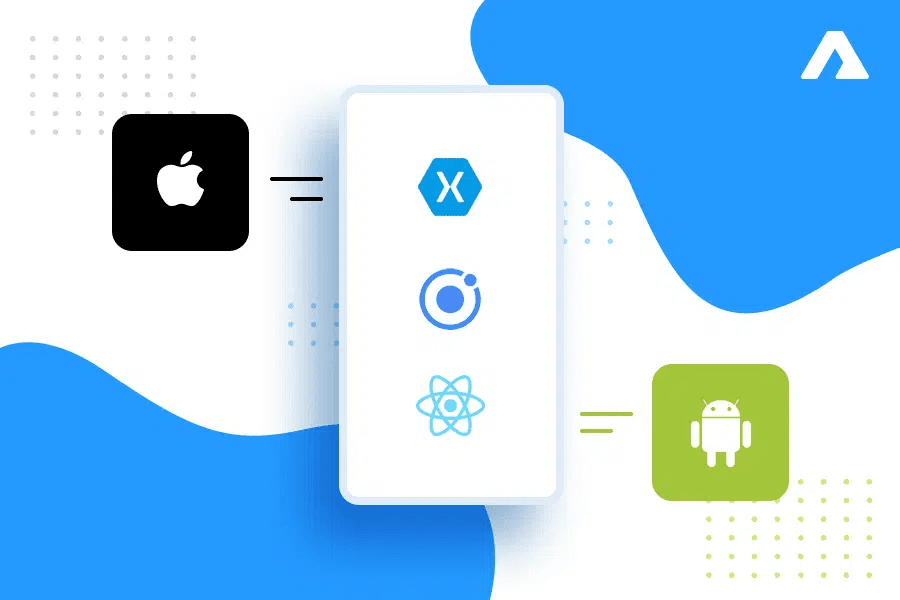
Hybrid Applications bridged the gap of requiring two different apps for different operating systems. A single app can be used for both platforms.
However, Hybrid Mobile App Development was not that big a deal back then but now they can compete with the original (native) applications.
Hence before you hire hybrid app developers, factor in all the necessities such as maintenance cost, budget, user experience, development time, and especially the skills of your developer.
We can now suggest the cross apps option for developing mobile applications since the technology of cross apps has improved so much.
What is the Hybrid App?
Hybrid applications are wrapped around web and native apps or essentially these are web apps enclosed by original apps.
The working is just like that of a native application where these use the native browser and can gain access to smartphone features such as microphone, calendar, camera, and push notifications.
These applications also support cross-platform functionality and can run on Android, iOS, and Windows.
A hybrid mobile app is a combination of cross-platform and web applications.
The basic structure of a hybrid app
Commonly used technologies like JavaScript, HTML5, and CSS3 are used to build these applications.
Native apps are built with technologies like Java, Objective-C, Swift, and Xcode.
Many companies prefer hybrid app development due to efficiency and flexibility.
Why Opt for Hybrid Apps over Native Apps?

For startups, hybrid apps are a great choice if you are unsure about user adoption.
Native apps provide better user experience but require more time and cost.
- Single Codebase: One codebase works across multiple platforms.
- Cost Effective: Saves development time and cost.
- Easy to Scale: Expand to multiple platforms easily.
- Hardware Access: Access device features like camera and notifications.
- Faster Delivery: Smaller teams can build apps quickly.
Hybrid Apps vs Native Apps: Which One Should You Choose in 2026?
The decision between native and hybrid mobile app development depends on your business goals rather than choosing one technology over another.
Hybrid app development is ideal when you need:
- Faster product launch
- Lower development cost
- Single codebase for Android and iOS
- MVP development
- Startup applications
- Internal enterprise apps
Native development is recommended when your application requires:
- Heavy graphics
- AR/VR experiences
- High-performance gaming
- Advanced hardware integrations
- Platform-specific UI optimization
For most startups and businesses launching digital products today, modern cross-platform frameworks like Flutter and React Native offer an excellent balance between development speed, cost efficiency, and user experience.
Why Businesses Prefer Flutter and React Native Today
Flutter and React Native have transformed hybrid and cross-platform app development over the past few years.
Businesses choose these frameworks because they provide:
- Near-native performance
- Faster app development
- Hot Reload for rapid iterations
- Reduced maintenance costs
- Large developer communities
- Easy third-party API integration
- Consistent UI across Android and iOS
These frameworks enable companies to launch applications faster while maintaining excellent user experiences, making them the preferred choice for startups, SMEs, and enterprise organizations.
Is Hybrid App Development Still Worth It in 2026?
Absolutely,Hybrid app development continues to evolve as businesses seek faster digital transformation while optimizing development budgets.
Today, hybrid applications are successfully powering:
- E-commerce platforms
- Healthcare applications
- FinTech solutions
- Food delivery apps
- Logistics systems
- Educational platforms
- SaaS applications
- Internal enterprise application
With modern frameworks delivering near-native performance, hybrid app development has become the preferred option for businesses looking to reach users across multiple platforms without maintaining separate codebases.
Technologies used for hybrid mobile app development
The choice of framework plays a significant role in determining the performance, scalability, and user experience of a hybrid mobile application. Today, businesses primarily rely on modern cross-platform frameworks that enable faster development while maintaining near-native performance.
Flutter
Developed by Google, Flutter has become one of the most popular frameworks for cross-platform app development. It uses a single codebase to build applications for Android, iOS, web, and desktop, offering excellent performance, a rich set of customizable widgets, and faster development cycles.
React Native
React Native, developed by Meta, remains a preferred choice for businesses looking to build high-quality mobile applications using JavaScript and React. It allows developers to reuse code across Android and iOS while delivering a native-like user experience.
Ionic
Ionic is an open-source framework that uses HTML, CSS, and JavaScript to build hybrid applications. It is particularly suitable for web-first applications, enterprise solutions, and Progressive Web Apps (PWAs), helping businesses deliver apps across multiple platforms efficiently.
.NET MAUI
.NET Multi-platform App UI (.NET MAUI) is Microsoft's modern solution for building cross-platform applications. It replaces Xamarin and enables developers to create Android, iOS, Windows, and macOS applications from a single C# codebase with long-term Microsoft support.
Synopsis
Hybrid mobile app development continues to be a preferred choice for businesses that want to launch applications quickly while optimizing development costs.
Modern frameworks such as Flutter, React Native, Ionic, and .NET MAUI enable developers to build feature-rich applications with a single codebase, reducing maintenance efforts and accelerating time-to-market.
Whether you're developing an MVP, an enterprise application, or a customer-facing mobile app, choosing the right development approach is just one part of building a successful digital product. Partnering with an experienced mobile app development company will help you select the right technology stack, streamline development, and ensure long-term scalability.
Why Businesses Continue to Choose Hybrid App Development
Hybrid app development has evolved significantly over the past few years. With modern frameworks delivering near-native performance, businesses can build scalable applications faster without maintaining separate Android and iOS codebases.
Some of the key reasons organizations continue to invest in hybrid app development include:
- Faster time-to-market with a shared codebase
- Reduced development and maintenance costs
- Consistent user experience across platforms
- Easier integration with cloud services and APIs
- Simplified updates and ongoing support
- Scalability for startups, SMEs, and enterprise applications
As cross-platform technologies continue to advance, hybrid app development remains a practical and cost-effective solution for businesses looking to reach a wider audience while optimizing their development investment.
Frequently Asked Questions
Is hybrid app development better than native?
Hybrid app development is ideal for businesses that want faster development, lower costs, and support for multiple platforms. Native development remains the better option for graphics-intensive or hardware-dependent applications.
Which is the best framework for hybrid app development?
Flutter and React Native are currently among the most popular choices due to their excellent performance, extensive ecosystems, and strong community support.
Is Flutter a hybrid framework?
Flutter is technically a cross-platform framework rather than a traditional hybrid framework. However, many businesses categorize Flutter applications under hybrid app development because they use a single codebase for multiple platforms.
Are hybrid apps good for startups?
Yes. Hybrid applications allow startups to validate ideas quickly while minimizing development costs and reducing time to market.