By the end of 2020, Progressive Web Apps are still relatively new. Introduced just a couple of years ago, PWAs have had a massive impact in such a short time. They connect the social platform with Instagram, Pinterest, and Twitter choosing to create a PWA app rather developing apps utilizing native code. Technology giants like Washington Post and Uber found that PWAs provide many benefits to native apps.
Such apps reconstruct a website in a way that it looks and feels like a conventional mobile application. PWAs function in a mobile browser whereas developers of PWAs can utilize the tool’s hardware features more than an ideal website. There are many instances where PWAs are cheaper than native apps offering almost everything a company requires in their mobile application.
Due to some common misinterpretations, many brands do not utilize PWAs in their mobile app development project. This is why these companies write off this technology. Let’s find out what PWAs are and its benefits!
Progressive Web App
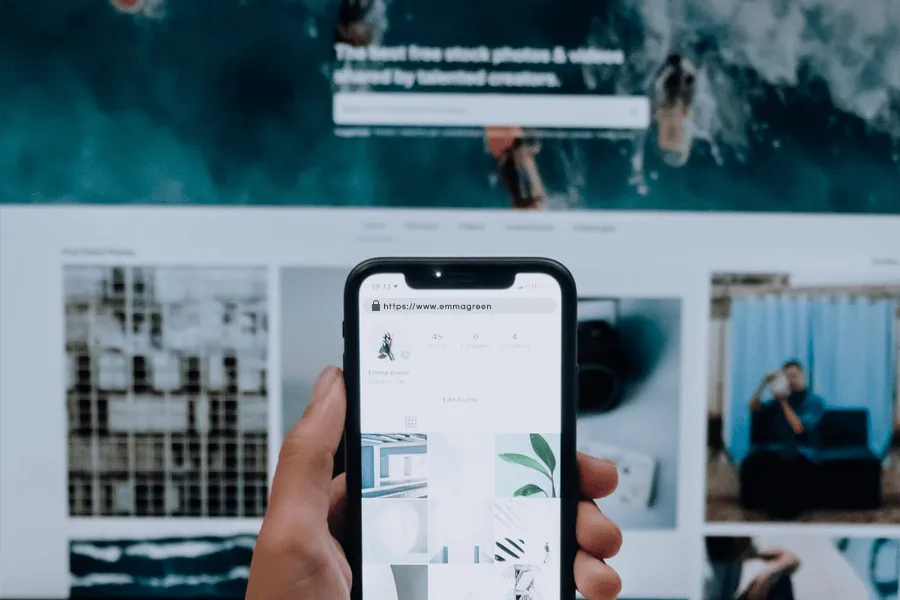
The Progressive Web App is a highly-optimized website for mobile that can access some features of this device like the camera. Users can access PWA from their browser like Firefox, Chrome, Safari, or other. They can also download the content while they are browsing hence it is named progressive.
The benefits of PWA
- Time and Money Efficient: PWA offers time and money-saving processes as it is developed just once, however, a native application needs two distinct mobile app developments. One for Android and the other for iOS.
- Flexible Distribution: PWAs can be accessed directly through a web browser without app store approval. Additionally, businesses now have options to distribute PWAs through selected app marketplaces using modern packaging technologies when appropriate.
- Easy and Fast Accessibility: Users do not install all the content of PWA before even testing it. Hence, they can access its content much quicker via a URL.
- Lightweight Installation: Since PWAs don't require a traditional app installation, they generally consume less storage space than native applications while still providing an app-like experience.
- Easily Shareable URL: If they find it good, users can share a PWA through its short URL that contains only ten characters.
- Search Engine Visibility: Unlike native mobile apps, Progressive Web Apps can be indexed by search engines, helping businesses improve their online visibility and attract organic traffic.
- Easy to include in favorite list: User can choose a PWA in his/her favorites. Just like for inbuilt apps, an icon appears on its home screen.
Native Apps
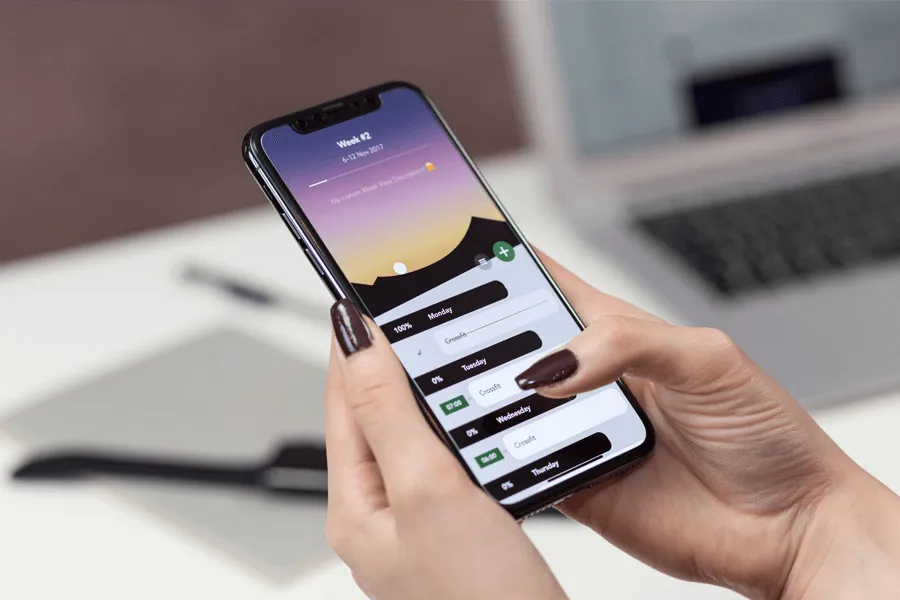
An inbuilt application is the type of app that businesses have been developing since years. It is developed twice i.e., once for Android, and then for iOS. Hence, it can work efficiently with all kinds of devices. Users install the app with all its content from the Store.
The native application’s advantages
- Secure Source of Information: Native applications often provide stronger integration with platform security features, such as biometric authentication, encrypted storage, and operating system security frameworks. However, properly developed PWAs using HTTPS and modern security practices can also provide a highly secure user experience.
- It works better than PWA: Native application functions better than Progressive Web App with its quicker user navigation that is smoother and more worthwhile.
- Connects with other native apps: A native app can interact with various other native applications by providing its users to interact via Facebook.
- More features than PWA: There are far better features in Native apps than Progressive Web App. Geo-fencing is a good example where a push notification can be sent when the user is reaching a ego-localized point.
- Better customization and interface: Native applications provide greater opportunities based on interface and user experience.
- Easy update without submission: Native apps can be updated as easily as PWA. If you have chosen the two-step download, you can change your application’s content without re-submitting it to the Stores.
- Easy streaming content: Lastly, you can opt for streaming content to make your content less complicated. You can utilize an HTML STOP, a tab providing access to a web page, a web view, or keys present in all kinds of STOP for that.
Are progressive web apps great for e-stores?
Many companies think PWAs need comprehensive customization to be used for the e-commerce industry. For instance, PWAs is not known to boast an off-the-shelf payment solution. You need to integrate your own payment gateway to utilize a PWA for e-commerce in your mobile app development.
The truth is that many solutions handle payments. The addition of integration does not require to spend a fortune. If you collaborate with a professional PWA dev shop, you get the suggestion best for you. This is also true that many companies have given positive feedback while working with PWAs on an e-commerce platform.
Are progressive web apps similar to a website?
PWAs runs in a browser just like an ideal website. However, it is much more than just a website.
Customers can download and save PWAs on their system. Your PWA will look like just any ideal application once it is saved.
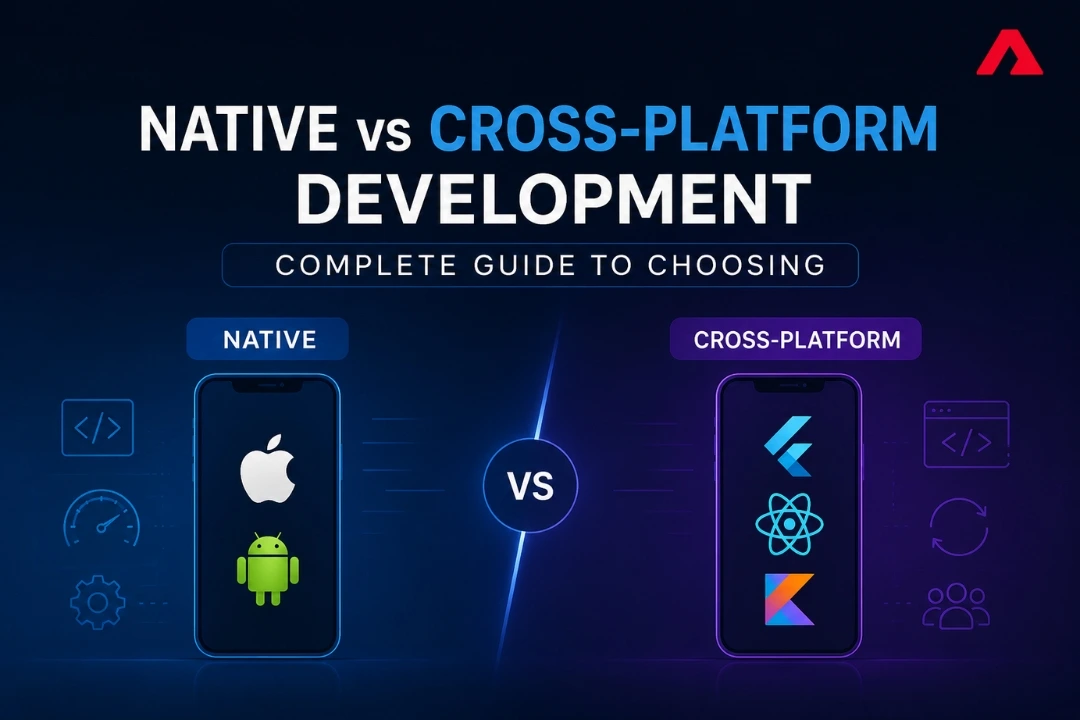
Are Native apps or PWAs or native apps only options for Mobile App Development?
No. There are several things to keep in mind when picking the right system for building a mobile application. Many developers suggest their clients develop application on React Native. Based on your exclusive requirements you may need some components natively.
PWAs accept push notifications. Such notifications can be received by your customers at any time coupled with all the data they are looking for. This functionality is not present in websites.
PWAs do not require the internet to work. Websites usually require a broadband connection to function. PWAs is based on “Service Workers” (which is a JS file that functions standalone without basic browser thread) to allow the users to access the site by caching the data even when there is no internet connection. This file collects network requests, makes push notifications possible, and extracts resources from the cache. It is an important asset to PWAs as they provide the user to access the system offline which is as efficient as a native application.
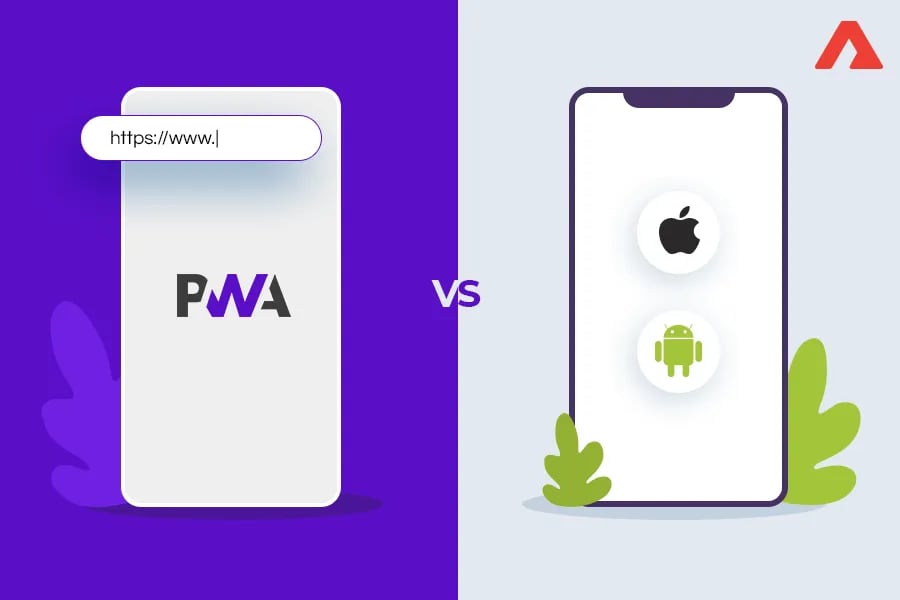
Native App or PWA: Which Should You Choose?
There is no universal answer when deciding between a Native Application and a Progressive Web App. The right choice depends on your business objectives, target audience, required features, and budget.
Choose a Progressive Web App if you want:
- Faster development
- Lower development cost
- Better SEO visibility
- Cross-platform compatibility
- Easy deployment and updates
- A content-driven or eCommerce platform
Choose a Native App if your application requires:
- High-performance graphics
- Gaming
- AR/VR capabilities
- Advanced camera functionality
- Bluetooth or NFC integration
- Wearables support
- Complex background processing
Many businesses today start with a Progressive Web App to validate their idea and later expand into native Android and iOS applications as their user base grows.
Synopsis
Both Native Applications and Progressive Web Apps have evolved significantly over the past few years. While native applications continue to deliver the best performance for hardware-intensive and feature-rich applications, Progressive Web Apps have become a powerful solution for businesses looking to reduce development costs, improve accessibility, and reach users across multiple platforms.
Before selecting a development approach, businesses should evaluate their long-term goals, user expectations, required device capabilities, and maintenance budget. Hire mobile app development company if you want to get a best and suitable mobile app with all required functionalities.
Frequently Asked Questions
Can a PWA replace a native app?
For many business applications, yes. However, applications requiring advanced hardware access, gaming, AR/VR, or intensive background processing still benefit from native development.
Which is more cost-effective: PWA or Native App?
PWAs are generally more affordable because a single codebase serves multiple platforms, reducing both development and maintenance costs.
Do PWAs work offline?
Yes. PWAs can cache application assets using Service Workers, allowing users to access selected features even without an internet connection.
Can PWAs send push notifications?
Yes. Modern Progressive Web Apps support push notifications on Android and supported versions of iOS.
Is a PWA better for SEO?
Yes. Since PWAs are web-based, they can be indexed by search engines, making them more discoverable through organic search than native apps alone.